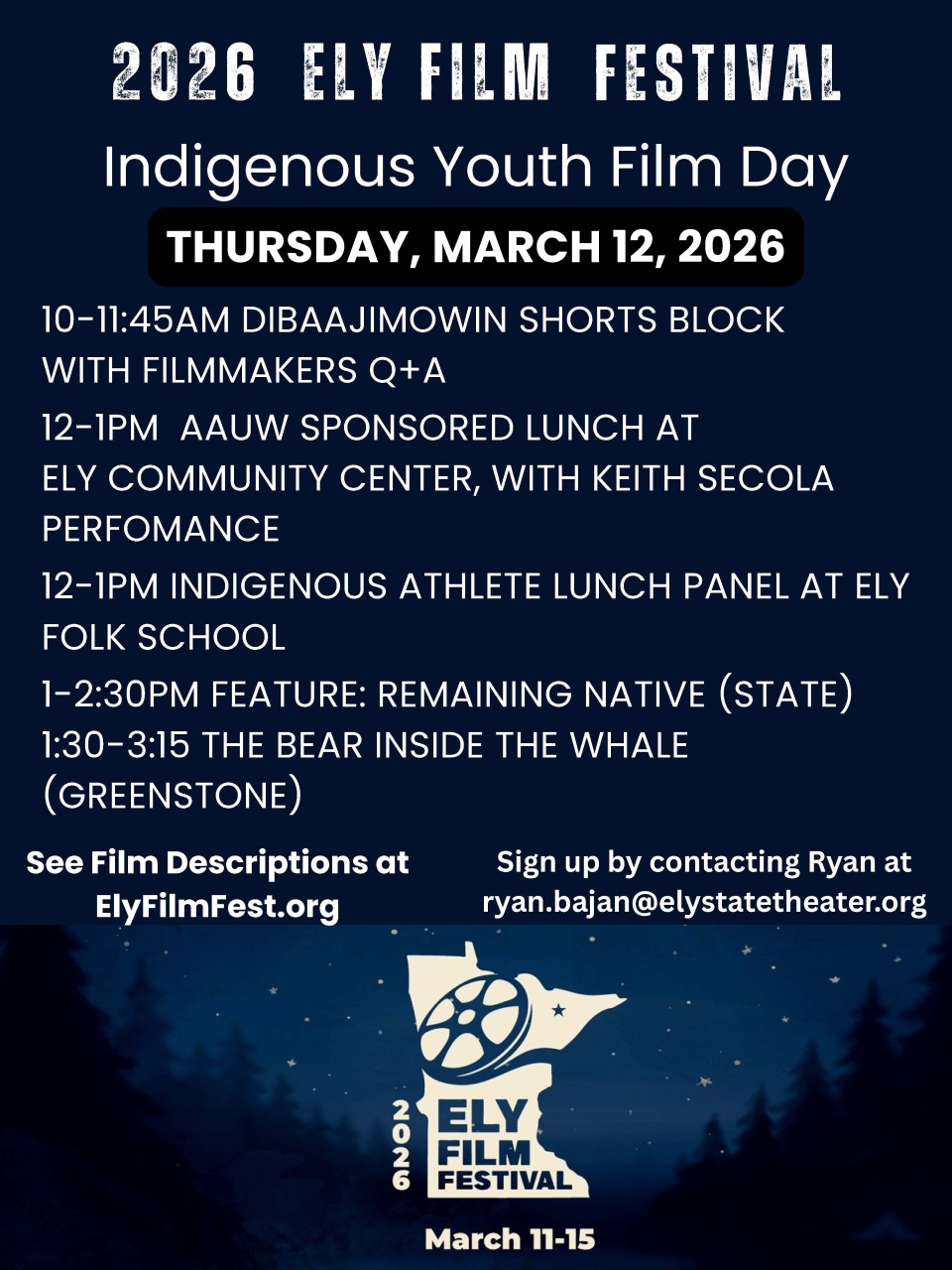
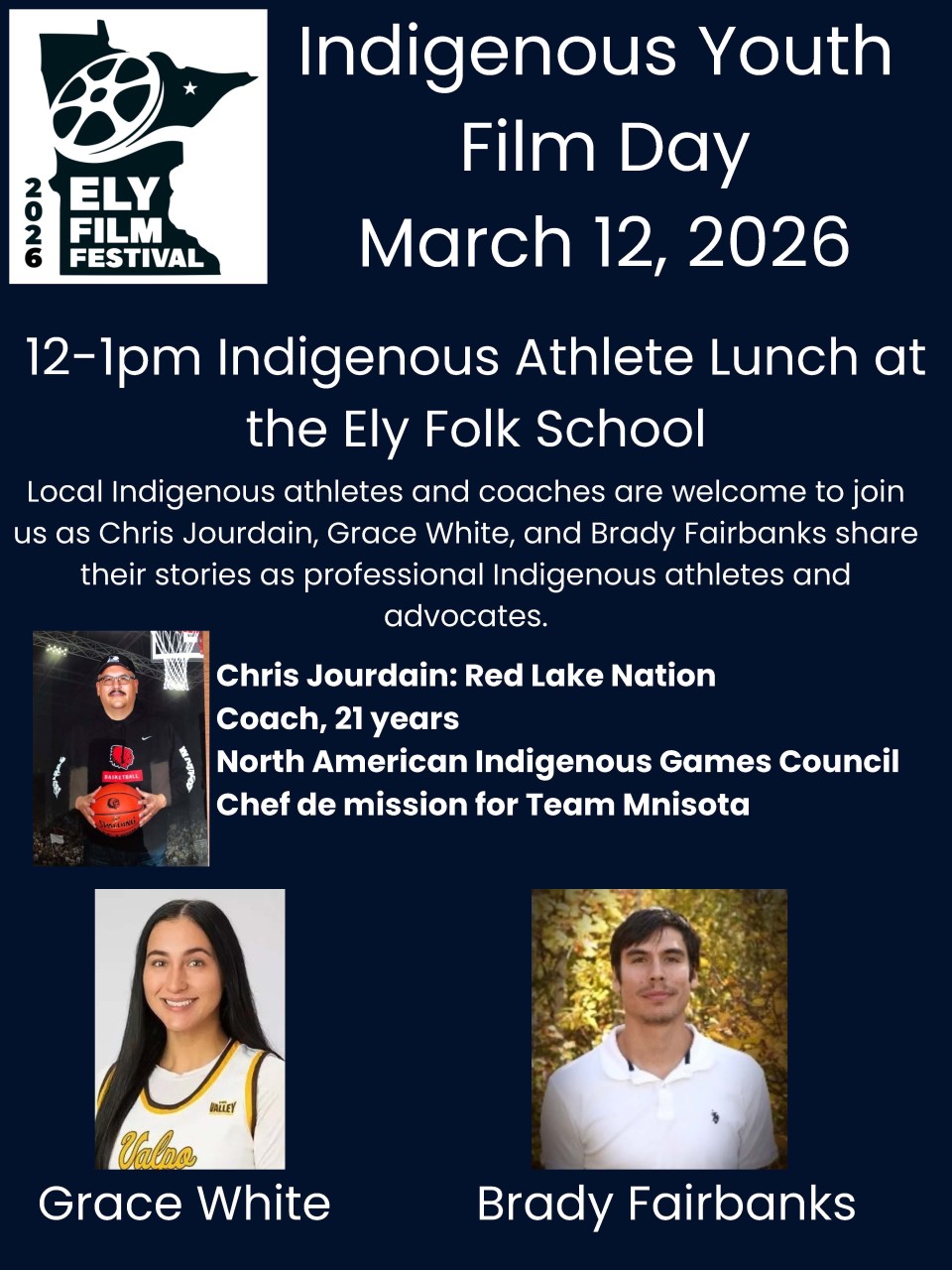
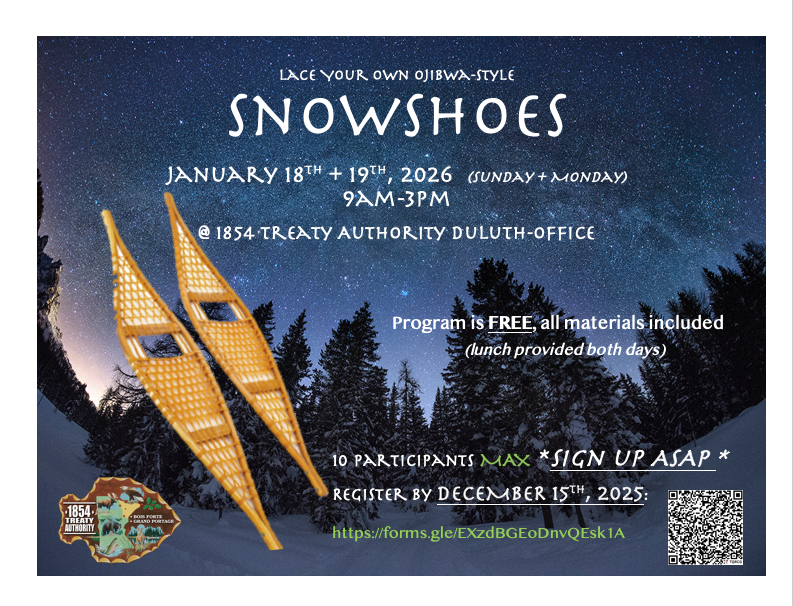
Register here: https://forms.gle/ibEvwSsDaUQ1gtaM7
1854 Treaty Authority News
*Always, ALWAYS wear a PFD, especially for the little ones. Cold water can kill within minutes.
*Have your 1854 ID card on you while angling.
*Know your treaty limits and try to keep limits separate from non-tribal catch if possible.
*Do not trespass.
Good luck out there! And bring home the bacon!
1854 is happy to announce the release of our UPDATED Interactive WebMap in a new platform, which offers additional functionality over the old platform. One highlight we would like to point out: there are pop-up boxes that provide information when features are clicked.
A new aspect we are excited about are the "Bookmarks", shown in the lower right that automatically shows specific groups of layers. For example, clicking on the "Fishing" bookmark will display the data layers for lakes, boat access points, aquatic invasive species presence, and netting opportunities.
For a quick tutorial, check out the Info page before diving in!
#20 participants MAX
Register here: https://docs.google.com/forms/d/e/1FAIpQLSdjZqu1bJkr-QadO-bKWzQqpKZo19Rh5qx4PmaCLxOO6FJVKA/viewform?usp=header
Alaina K. Bryant, Environmental Specialist
Ya'at'ééh, shí éí Alaina Bryant yinishyé. Naashashí nishlíigo, Tódích'íi'nii báshíshchíín, Kinyaa'ánii dashicheigo, Dziłtł'ahnii dashinálí. Ákót'éego Diné asdzání nishlí.
(Hello, friends and family! I am Alaina Bryant. I am part of the Bear clan and born for the Bitter Water people. The Towering House people are my maternal grandfathers, and the Mountain Cove people are my paternal grandfathers)
I am a member of the Navajo Nation (Diné) who was born and raised in the Indianapolis area, and so I call both Indiana and the Four Corners region my home. When I was young, my family used to travel across the U.S. quite a bit, and along the way I got to witness vast, diverse natural areas and visited many National Parks. I also used to spend my summers camping and hiking around the Chuska Mountains in New Mexico when visiting family, and this is where I developed my love and appreciation for the outdoors. Growing up, I also learned many valuable cultural lessons from my grandmother who taught me about stewardship and how we should take care of our Earth and each other. Those lessons stuck with me and later motivated me to pursue a career in the environmental sciences. I received my B.S. in Sustainability Management and Public Affairs from Indiana University-Purdue University Indianapolis (now IU Indianapolis) in 2021 and my M.S. in Occupational and Environmental Health Sciences and Ecological Sciences and Engineering from Purdue University this past December.
In my free time, I like to follow auto racing (IndyCar, Formula 1, and NASCAR) and do my best to make it to a few races as well as the Indianapolis 500 every year. I was born a Colts fan and follow other local Indiana sports like the Pacers, IU Football, and Purdue Basketball, but racing is where my true passion has always been. Other hobbies I enjoy are hiking, kayaking, creative writing, reading, painting, antiquing, thrifting, and collecting retro video games and technology.
Coincidently, when I was in elementary school, I was "hired" as an environmental specialist for a role-playing class assignment. Who would have thought that over a decade later that this would be my real job? I am very excited to stay in the Midwest and work for the 1854 Treaty Authority, and I look forward to growing and learning in my new role!
Ahéhee'
(Thank you)
1854 Treaty Authority's ZIIGWAN 2026 Newsletter is now available.
Witnessing the dance between the close of Biboon and the start of Ziigwan is exciting… Depending on where you are in the 1854 Ceded Territory, the sap run has already ended or not yet begun.
New fish consumption guidelines have been released from the Minnesota Department of Health, and 1854's fish consumption guide map has been updated with these changes. The 2026/2027 Fishing bag limits and seasons have been approved by the 1854 Board of Directors, and results from the 2026 moose survey are in with over 4000 animals. Check out how the cultural practice of forest maintenance via ishkode is being revitalized…
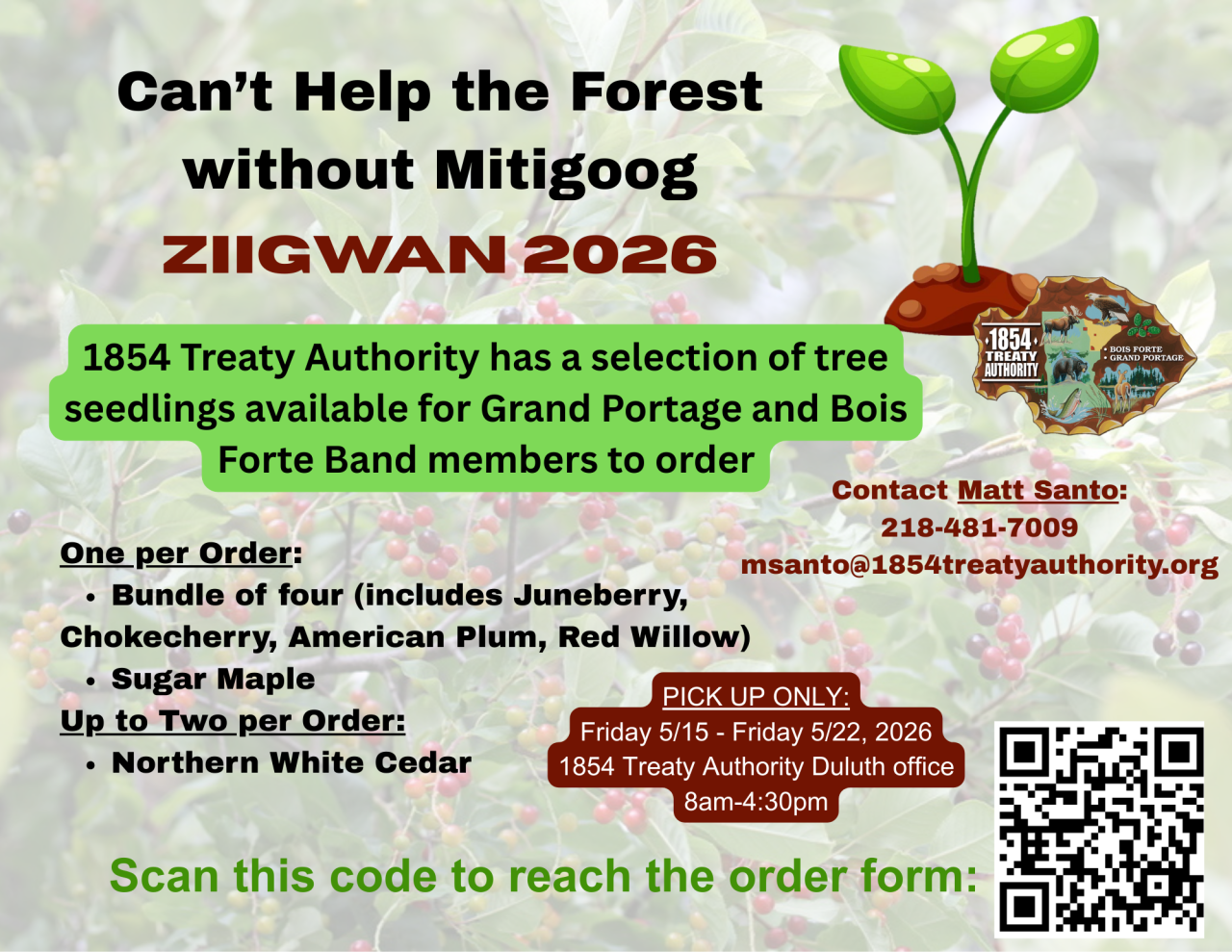
MIIGWECH to all who ordered mitigoog! We have filled all requests for tree orders at this time. (Wednesday, April 8th, 2026)
Planting trees is a way to think long term, provide for your neighbors, and steward for those 7 generations. It can also be a helpful action following the use of ishkode (fire) or removal of non-native plants. Planting native trees, shrubs, and other herbaceous plants ensures access to food and medicine both for ourselves and the relatives around us. This Ziigwan (spring), 1854 Treaty Authority has a selection of seedlings available for Grand Portage and Bois Forte band members to order.
The order form can be found here: https://forms.gle/oabKVSH1WCTCkQt99
Contacts:
Bazile Minogiizhigaabo Panek, Good Sky Guidance,
Abby Andrus, Dovetail Partners,
For immediate release
"Good" fire may return to Minnesota Point this spring
The trees on Minnesota Point tell the story. Since at least the last half of the 1700s through the mid-1800s, people periodically lit fires on the point to reduce brush and promote growth of plants like blueberries. Those people were the Anishinaabe (Ojibwe) and their use of good fire, a powerful ancient practice, is evident in fire scars recorded within tree rings of the point's pines.
The fire scars were matched to calendar dates by researchers Evan Larson, Nisogaabokwe Melonee Montano, and a group of undergraduate researchers from Fond du Lac Tribal and Community College, in a project funded by Wisconsin Sea Grant. The researchers cut slices from dead pines and examined them for evidence of fire. The slices showed that fires burned across the area in a pattern too regular to be caused by lightning. Research in other areas of Anishinaabe territory, such as the Boundary Waters Canoe Area Wilderness and Stockton Island in the Apostle Islands National Lakeshore, show similar patterns. On Minnesota Point, the last widespread fire was recorded in tree rings 180 years ago, in 1846.
Minnesota Point has changed since this use of cultural burning ("Ishkode" in Ojibwe) stopped when Anishinaabe were displaced from the point. Dead and downed trees have built up, which could lead to intense wildfires if not managed by clearing and small prescribed fires. Blueberries and gooseberries are scarce.
Only one red pine, which is fire dependent, has regenerated in the interior stand in the last 120 years due to a buildup of pine needles on the ground and lack of sunlight from the dense tree canopy. Culturally informed prescribed fire holds the potential to restore historical viewsheds, reduce invasive species, recycle nutrients, and help sun-loving native plants thrive.
City of Duluth Natural Resources Coordinator Kate Kubiak emphasized the city's responsibility to honor and help restore the point's legacy. "The care and effort that all of the partners are giving to this project is truly inspiring," said Kubiak. "Many of the city's forests, like Minnesota Point's, are fire-dependent systems that have been starved of this natural disturbance for decades. We are excited to see how this ecosystem responds, and to support the continued stewardship of this forest."
To bring Ishkode back to Minnesota Point in a safe manner, a group of representatives have been meeting for months to discuss strategies. They are from the sovereign Fond du Lac Band of Lake Superior Chippewa, the city of Duluth, the Minnesota Department of Natural Resources, Minnesota Point 50, the Park Point Community Club, Good Sky Guidance, Dovetail Partners, Ethical Embers, the University of Minnesota Cloquet Forestry Center, the University of Wisconsin-Platteville and the U.S. Fish and Wildlife Service. Group members bring expertise in ecology, fire management, cultural stewardship, outreach and public land care. The project is called Azhe-Manidoo Mino-Ishkodeng Zhagawaamikong-Neyaashi: Returning the Spirit of Good Fire to Minnesota Point.
"For thousands of years, we managed our forests through fire. We have to break the mindset that fire is bad. It's not all bad. We need to humble ourselves before it and use it as a tool," said Vern Northrup, a member of the group and an Elder of the Fond du Lac Band of Lake Superior Chippewa.
"The Ishkode work is critical to advancing Minnesota Point 50's mission to ensure the long-term resilience of Minnesota Point. We are honored to be a part of this important collaborative team as fiscal agent, supporter and participant," said Pat Sterner, Board President of Minnesota Point 50 and a Park Point resident.
The Park Point Community Club also supports the project. "We are very excited and honored to work alongside partner organizations in returning cultural fire practices to the pine forest on Minnesota Point. Club members have worked to study and protect the valuable resources on this dynamic and unique landform for decades, and the forest is overgrown and in need of care and management. The Wisconsin Point burn last year was successful and we look forward to studying the positive results of returning prescribed burns on the Minnesota side of the channel," said Dawn Buck, president.
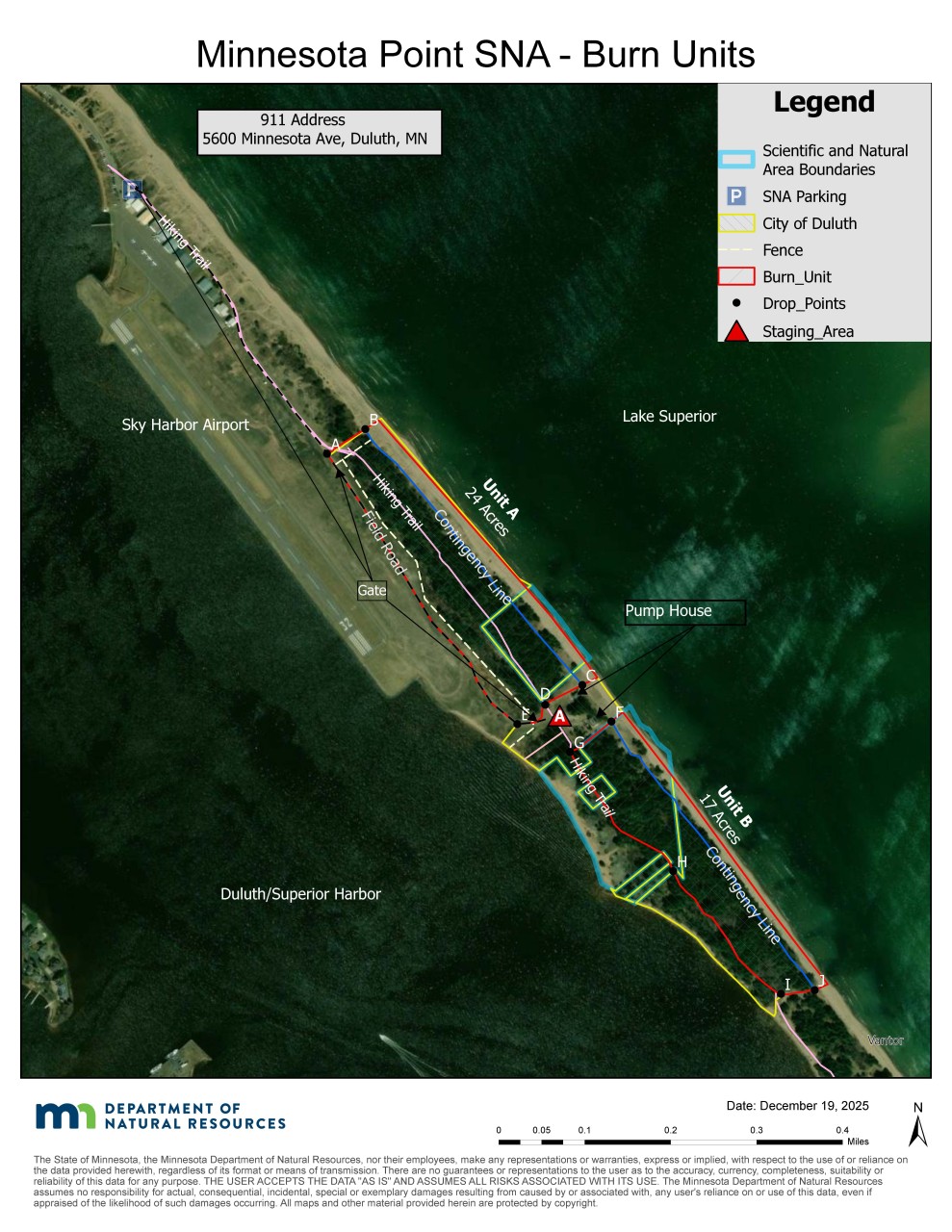
Given favorable weather conditions, the first burn is scheduled for this spring in Unit B on the attached map. This 17-acre area begins beyond the Sky Harbor Airport and the Pump House on Minnesota Point.
The Minnesota Department of Natural Resources has a burn plan in place, which will account for things like wind direction to minimize smoke impacts on surrounding neighborhoods and communities. Weather data will also be taken during the fire, and conditions will be monitored before and during the burn to ensure community safety. The prescribed fire will be conducted by highly qualified and trained personnel. The trail through the Scientific and Natural Area and Duluth parkland on the point will be closed during and after the burn until the fire is declared out.
The public is invited to three free events to learn more about the project: Ojibwe Storytelling About Fire, March 5, 5 p.m. potluck; 6 pm storytelling, Lafayette Park Community Center, 3016 Minnesota Ave., Duluth. Speakers include Ricky Defoe, Nisogaabokwe Melonee Montano, Mark McConnell, Vern Northrup.
Burn Site Field Trip and Panel Discussion, March 7, 2-4 p.m. field trip, meet at Sky Harbor Airport, 5000 Minnesota Ave., Duluth. Panel discussion, 5-7 p.m., Lafayette Park Community Center, 3016 Minnesota Ave., Duluth. A livestream of the panel will be available, and a light meal will be provided courtesy of the Park Point resident community.
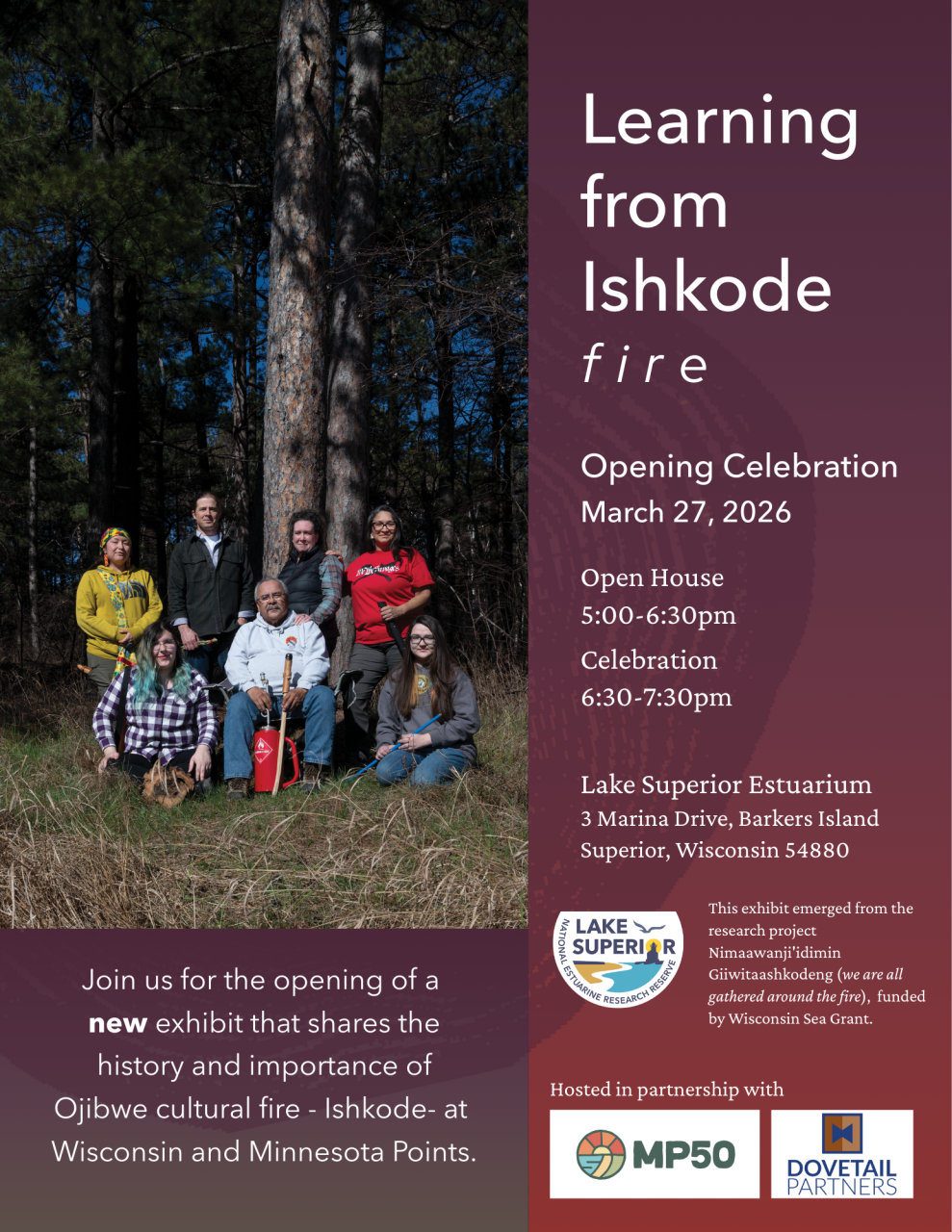
Estuarium Ishkode Exhibit Opening Celebration, March 27, 5-6:30 p.m., open house; 6:30-7:30 p.m. celebration, Lake Superior Estuarium, 3 Marina Dr., Barker's Island, Superior.
More information will be shared when details for the first cultural prescribed burn are set. This project is supported by a grant from the U.S. Fish and Wildlife Service Coastal Program.
#Minnesota Point 50 (MP50) is a community-led nonprofit organization established to shine a light on the ecological, cultural, and economic importance of Minnesota Point and to lead its partners in ensuring the long-term resilience of this national treasure.
'Registration' not required, but let us know you plan on joining us HERE: https://forms.gle/3WW8NEKMZJALDiG16
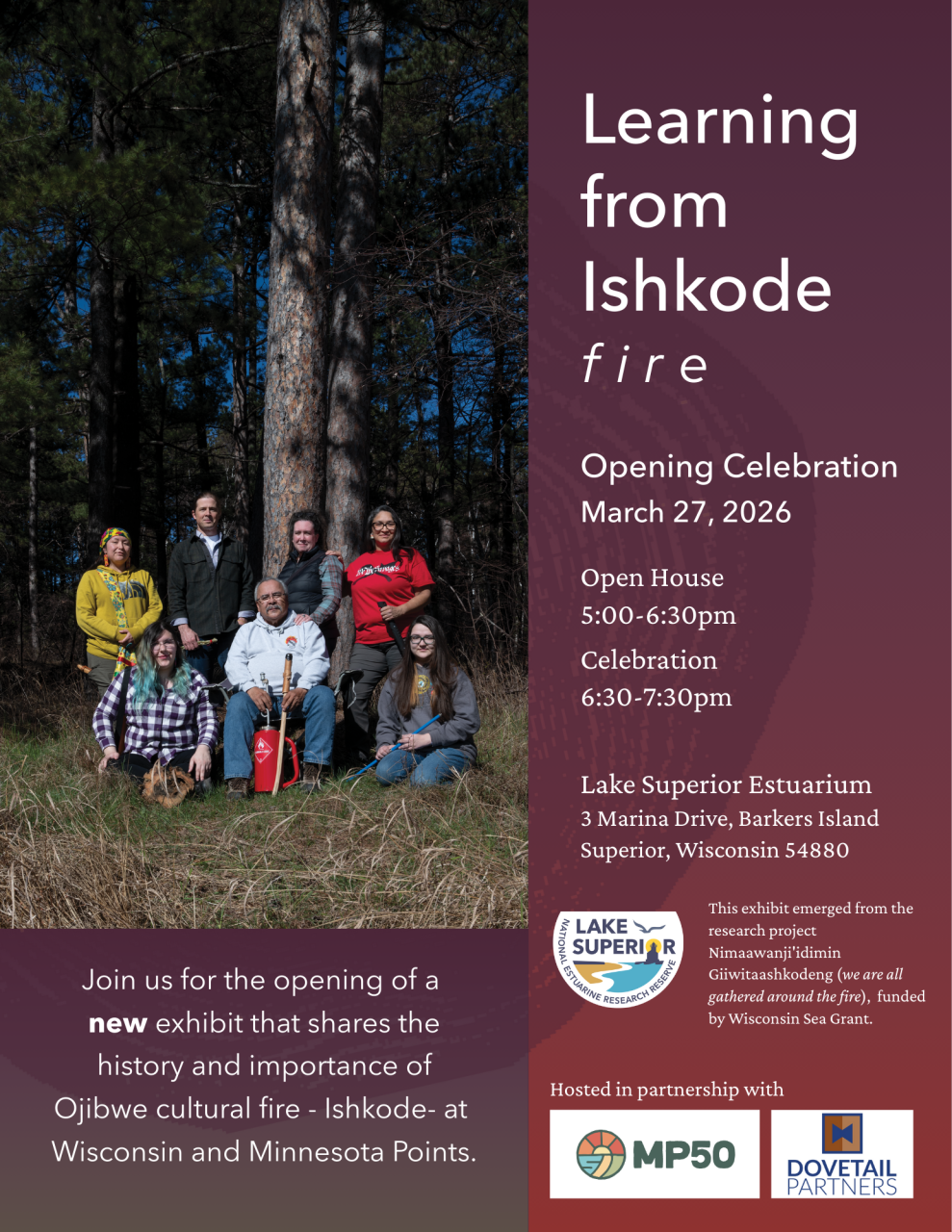
Learning from Ishkode fire
March 27
Join us for the opening of a new exhibit that shares the history and importance of Ojibwe cultural fire – Ishkode – at Wisconsin and Minnesota Points.
- Open House: 5:00 – 6:30 p.m.
- Celebration: 6:30-7:30 p.m. featuring the Nimaawanji'idimin Giiwitaashkodeng research team
- LOCATION: Lake Superior Estuarium, 3 Marina Dr., Barker's Island, Superior, WI
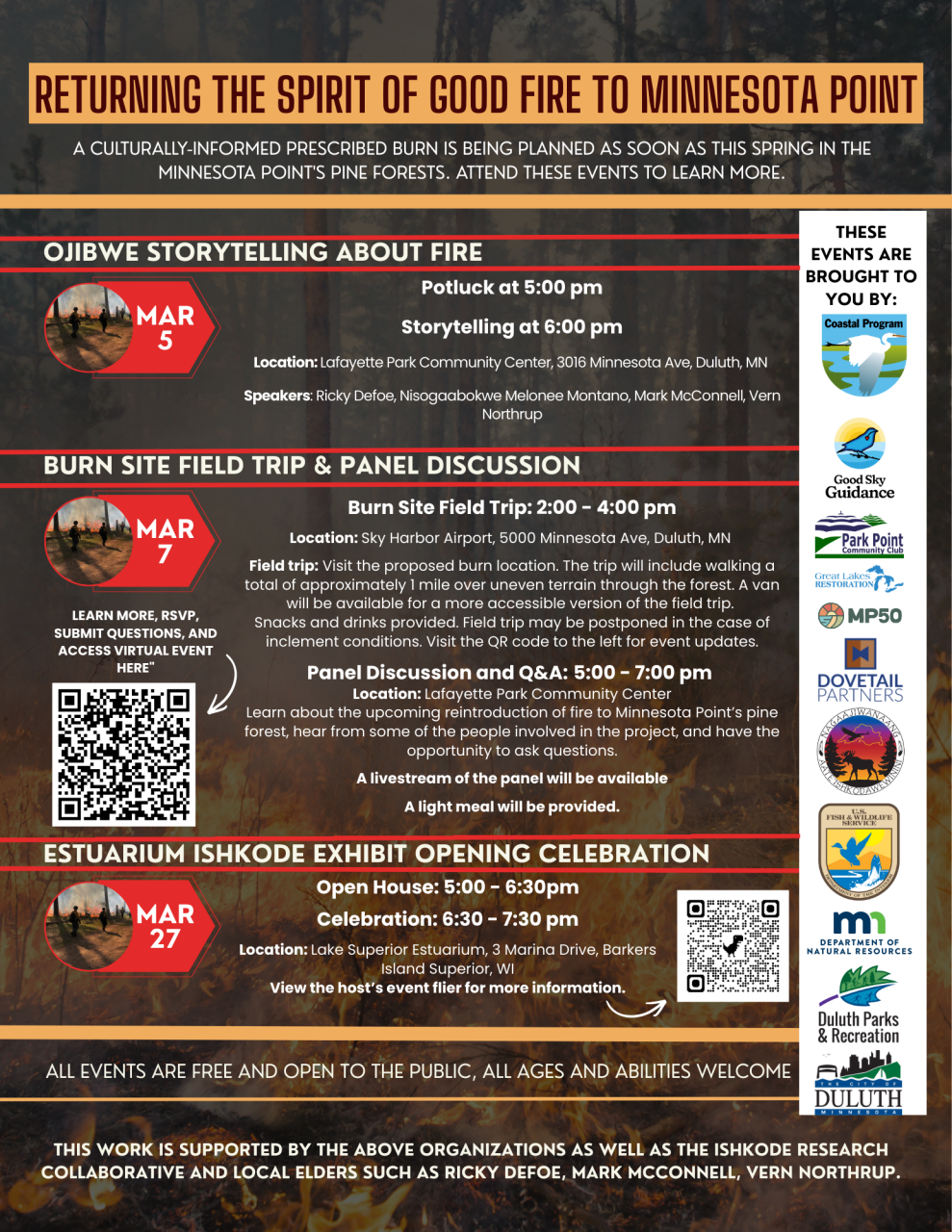
Indigenous peoples have used fire as a land caretaking tool since time immemorial. A team facilitated by MP50 involved in a project called "Returning the Spirit of Good Fire to Minnesota Point," plans to conduct a 17-acre prescribed burn on Minnesota Point between the beginning of March and the end of May, if conditions are suitable. The burn operations will be led by DNR Scientific and Natural Areas staff with additional crew staffing by the Fond Du Lac Band of Lake Superior Chippewa Forestry and Wildland Fire Program staff, the City of Duluth Fire Department, and other professional wildland fire practitioners. The pine forest on Park Point is fire-dependent – it needs periodic fires for young trees to regenerate and grow. You're invited to one of our upcoming events in March to hear Ojibwe stories about fire, learn more about the project, tour the burn unit, and meet the team working on this important cultural and ecological restoration initiative.
March 5: Ojibwe Storytelling About Fire
Hear stories about fire and Minnesota Point from local Indigenous elders.
- Potluck @ 5:00 p.m.
- Storytelling @ 6:00 p.m. Speakers – Ricky Defoe, Nisogaabokwe Melonee Montano, Mark McConnell & Vern Northrup
March 7: Burn Site Field Trip & Panel Discussion
- Burn Site Field Trip @2:00 – 4:00 p.m. | LOCATION: Meet at Sky Harbor Airport, 5000 Minnesota Ave, Duluth
- Panel Discussion and Q&A @ 5:00 – 7:00 p.m. | LOCATION: Lafayette Club, 3016 Minnesota Ave, Duluth
- A livestream of the panel will be available, and a light meal will be provided courtesy of the Park Point resident community.
The project partners have planned the following pre-burn event to provide more information and answer questions from the local community. Please complete this form to RSVP (requested but not required), and to submit your questions in advance.
ALL EVENTS ARE FREE & OPEN TO THE PUBLIC, ALL AGES AND ABILITIES WELCOME.
Contact Abby Andrus, project manager, at
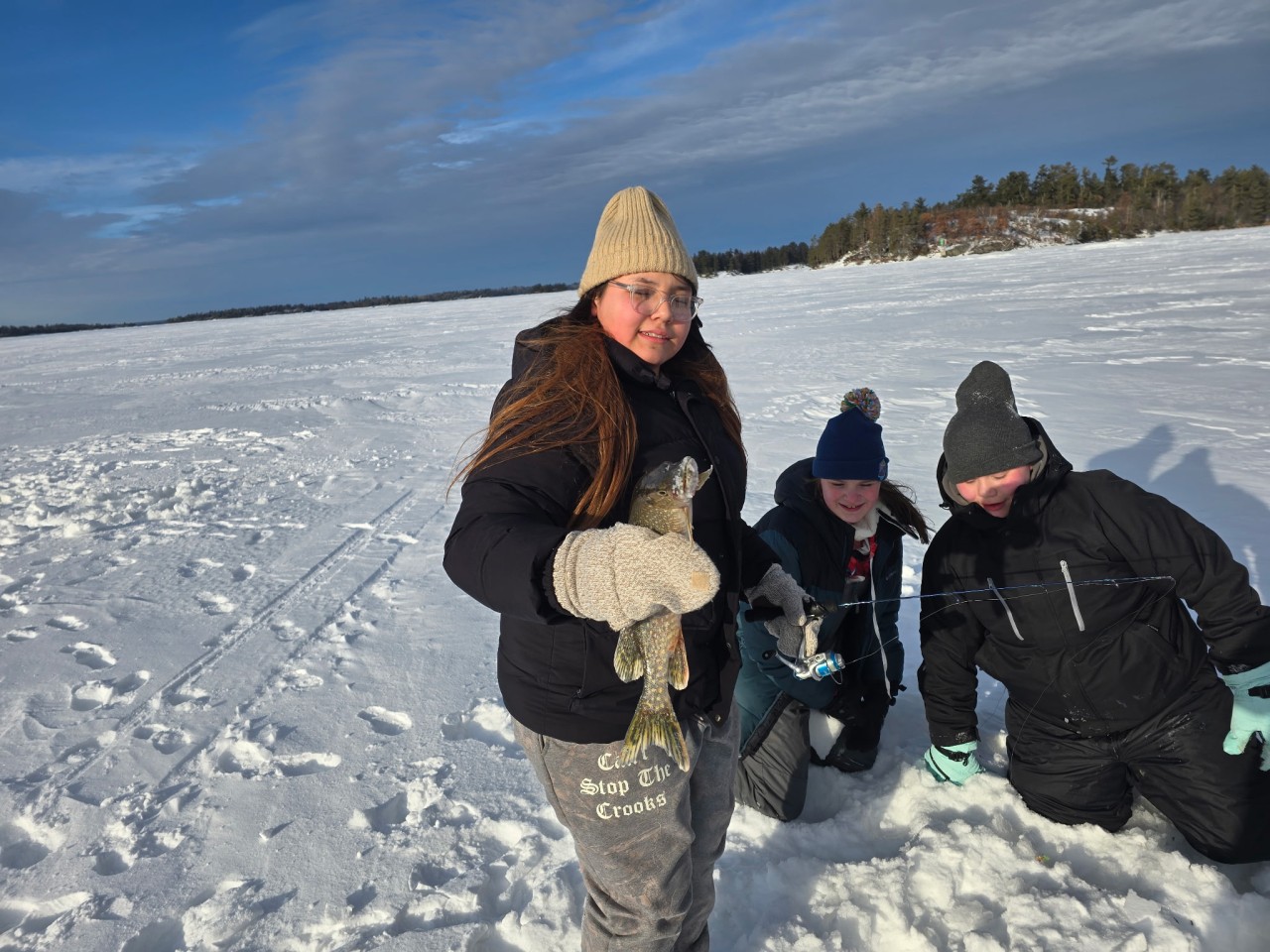
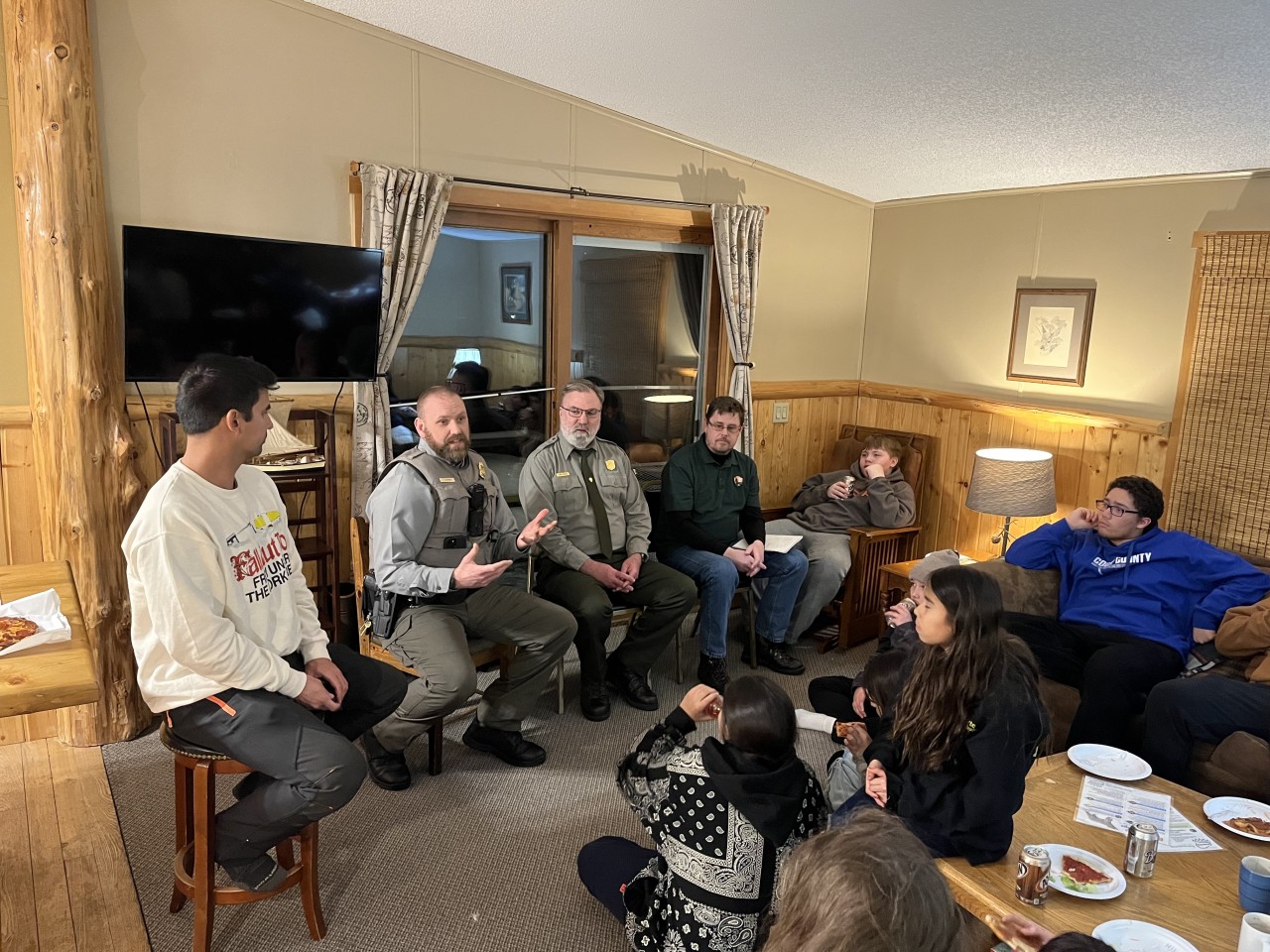
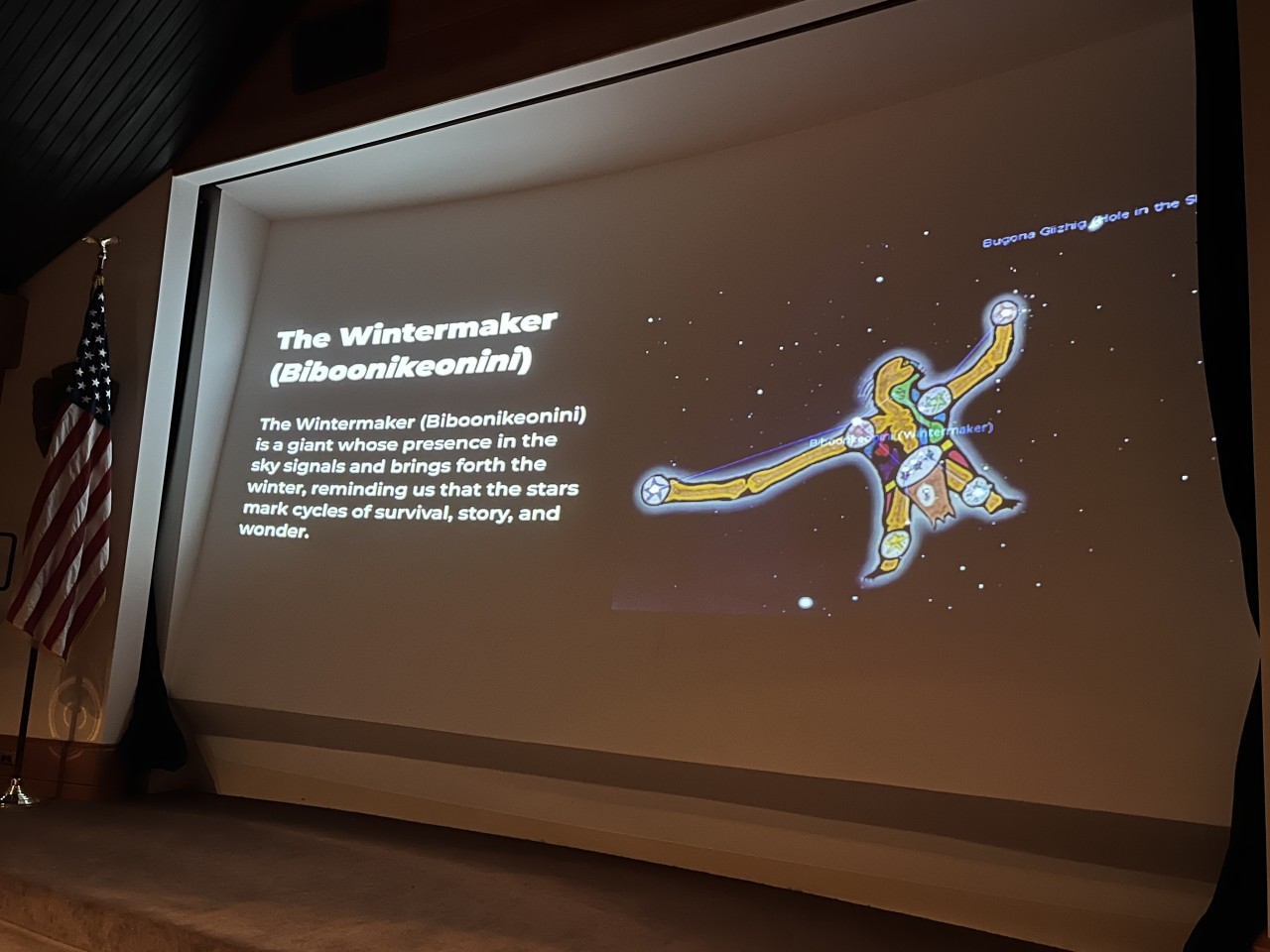
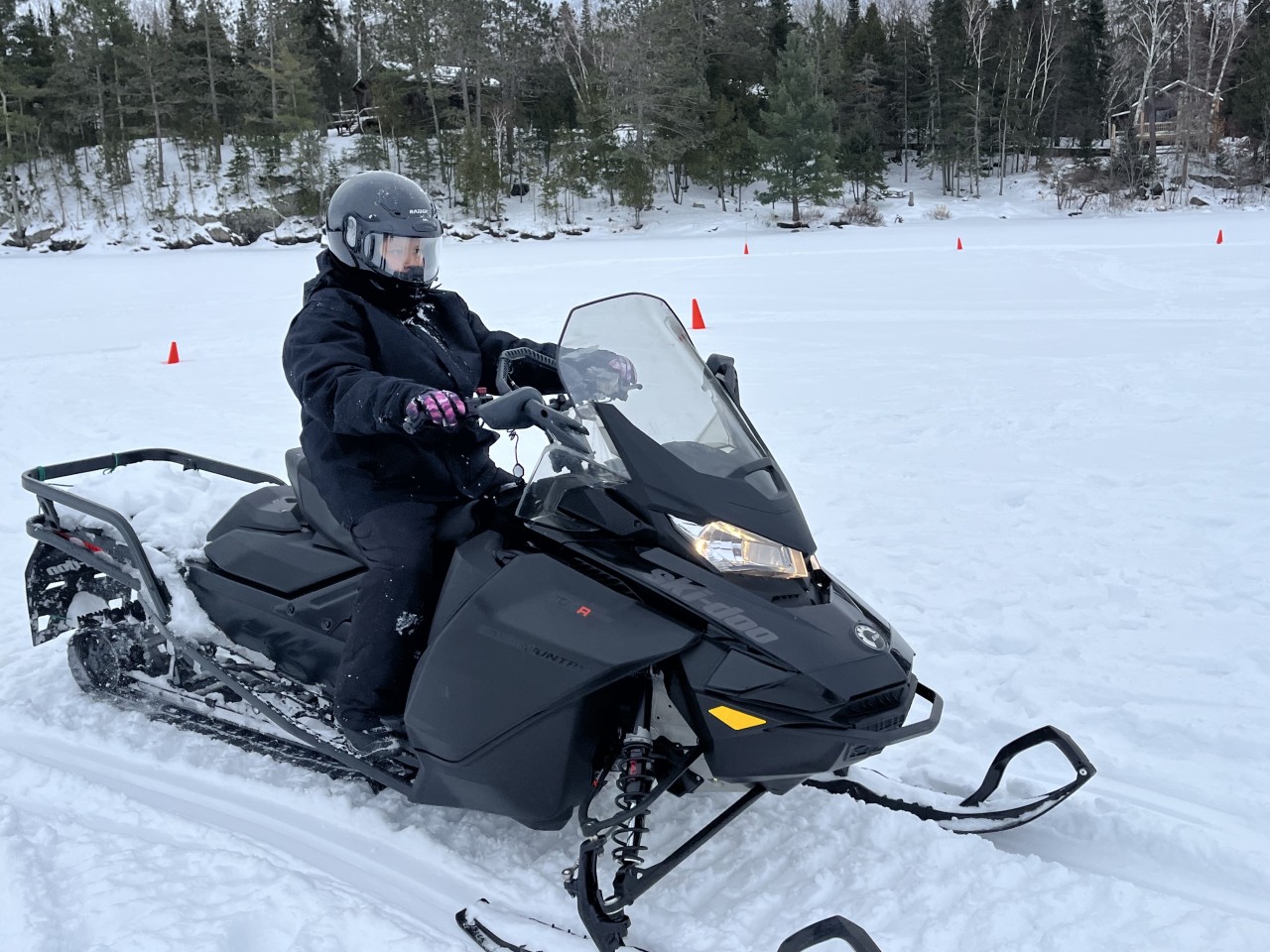
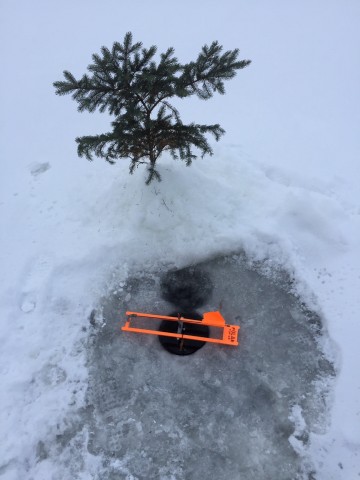
Miigwech to all who participated and shared knowledge during NAAWIKWAM, the Tribal Youth Winter Camp last weekend. We did a little ice angling, discussed careers in natural resources with a panel of staffers from Voyageurs National Park, experienced a dark skies interpretive program offered by Voyageurs Conservancy, and certified a handful of new, SAFE, snow machine riders! See the full album of photos on 1854's Facebook page.
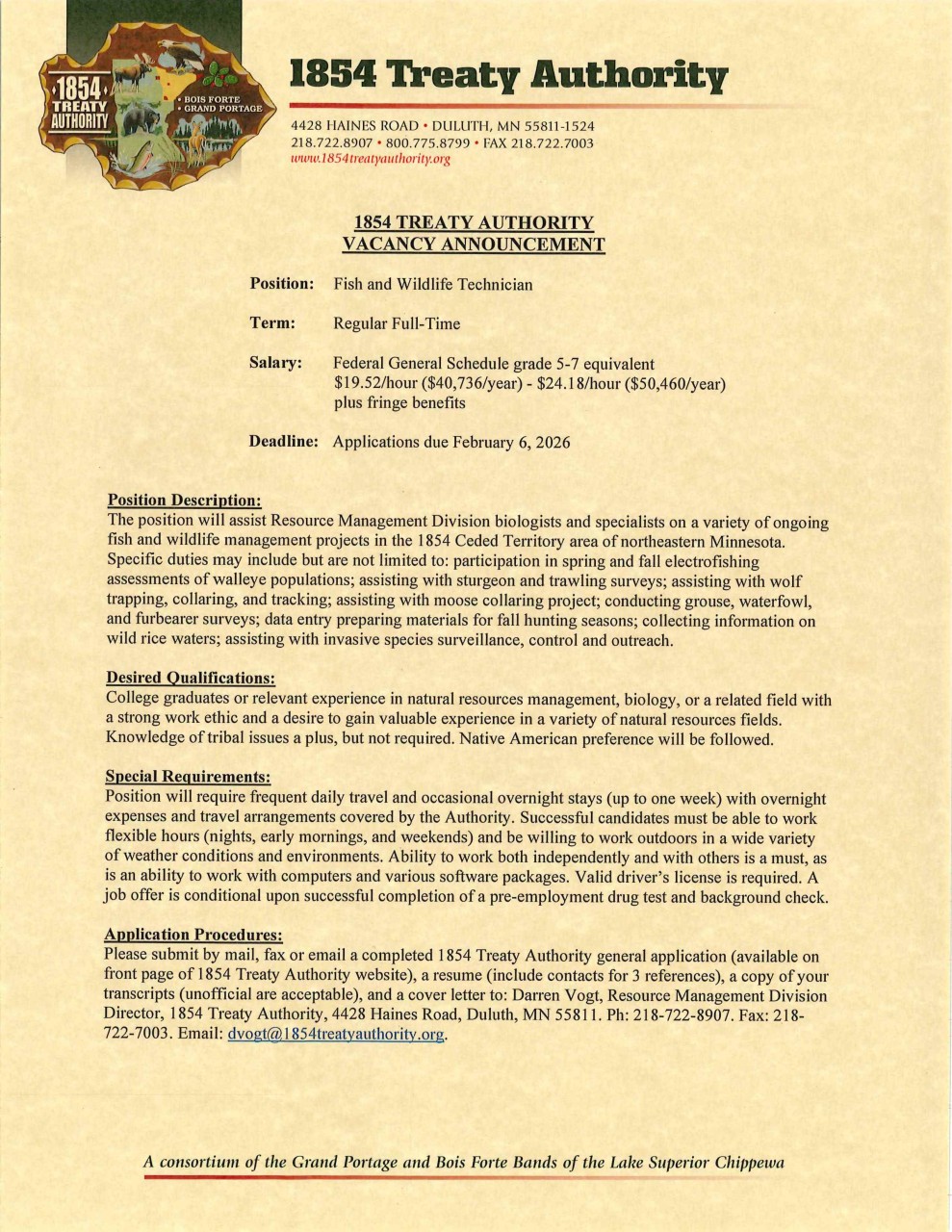
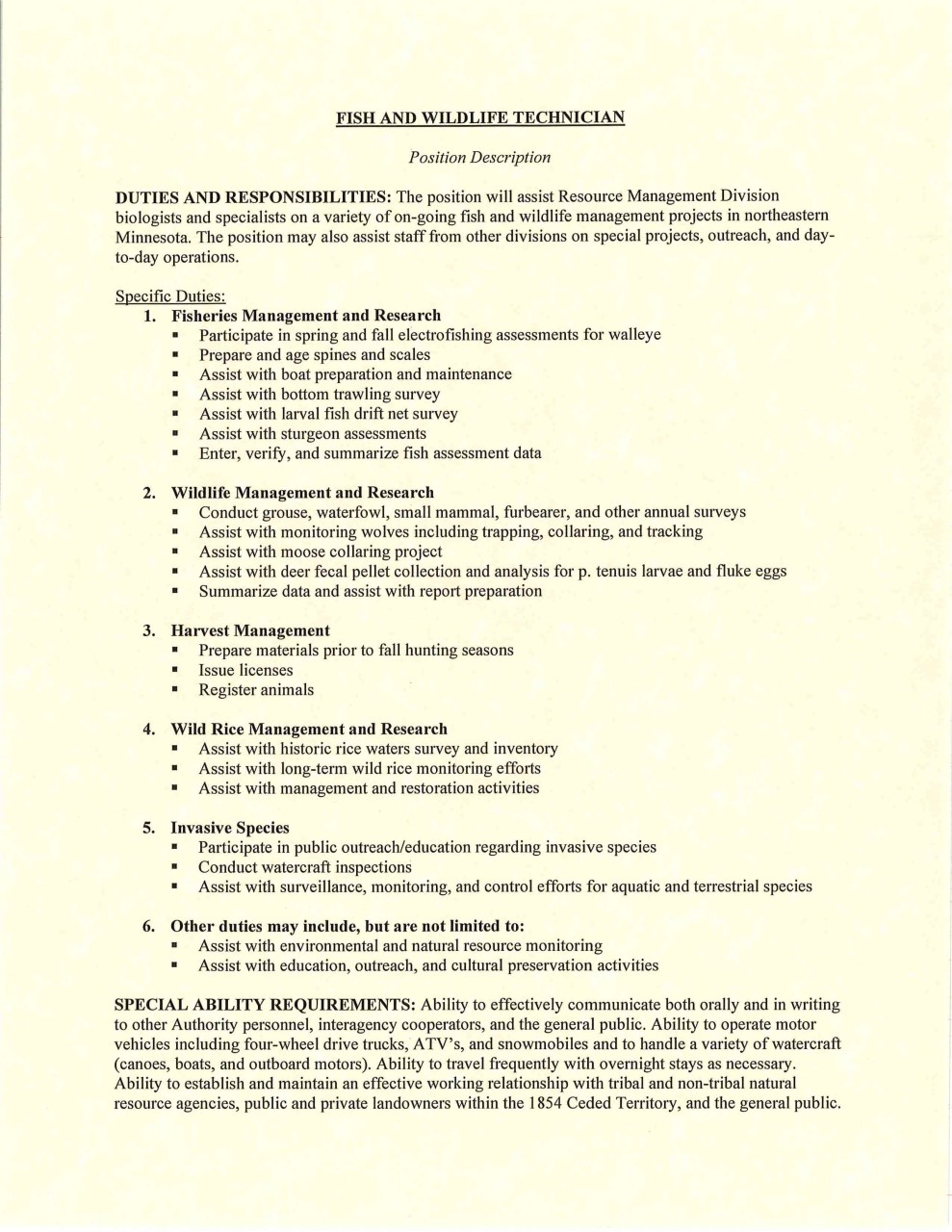
The 1854 Treaty Authority is hiring! We are looking for some motivated individuals to join our Resource Management crew for the 2026 season. Applications are due March 6th, 2026.
Please submit a completed 1854 Treaty Authority general application, a resume, a copy of your transcripts and cover letter to
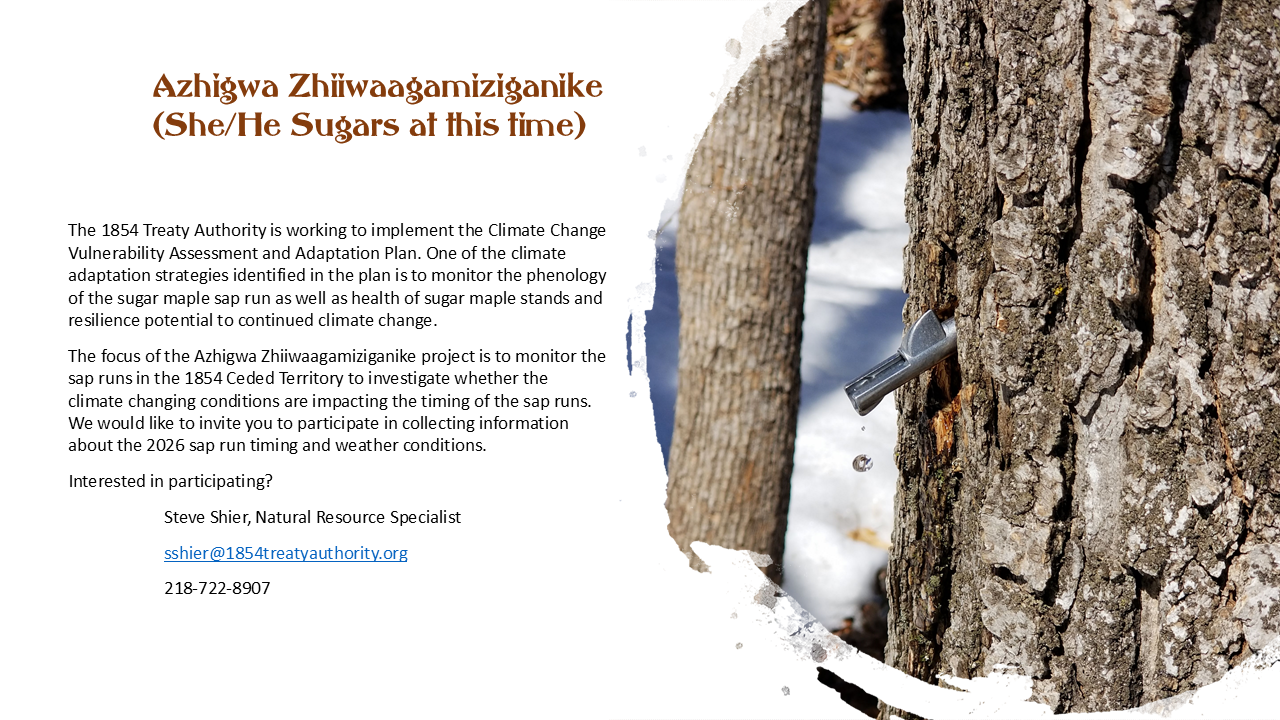
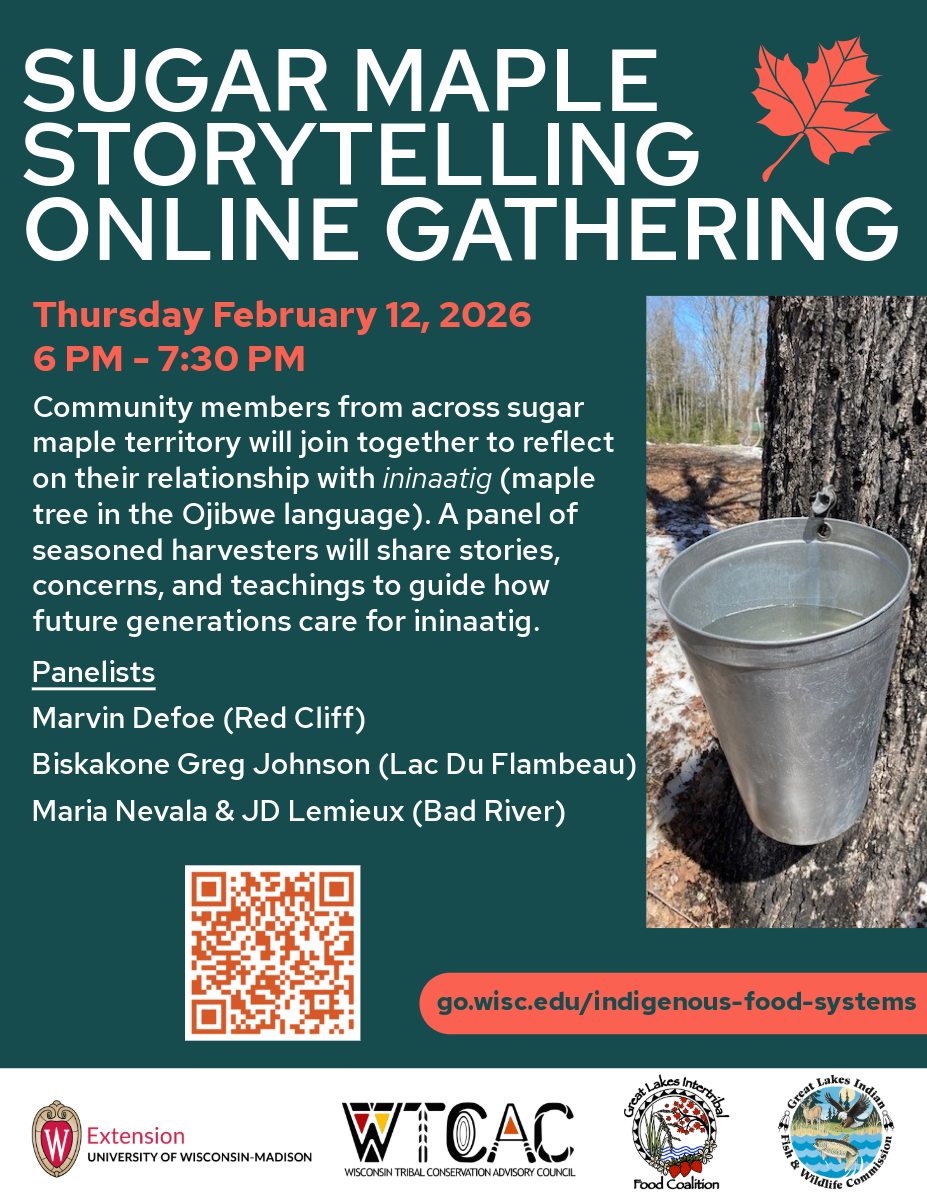
For anyone who taps, works with those who tap, or are interested in learning more about relationships with sugar maple, UW Extension is hosting a Sugar Maple Storytelling Online Gathering on Thursday February 12, 6-7:30pm CST. This online event will bring together community members from across sugar maple territory to share stories, concerns, and teachings to help current an future generations care for ziinzibaakwadwaatig (ininaatig), sugar maple.
For more information and to register for the gathering please see the attached flyer or go to the following link:
go.wisc.edu/indigenous-food-systems
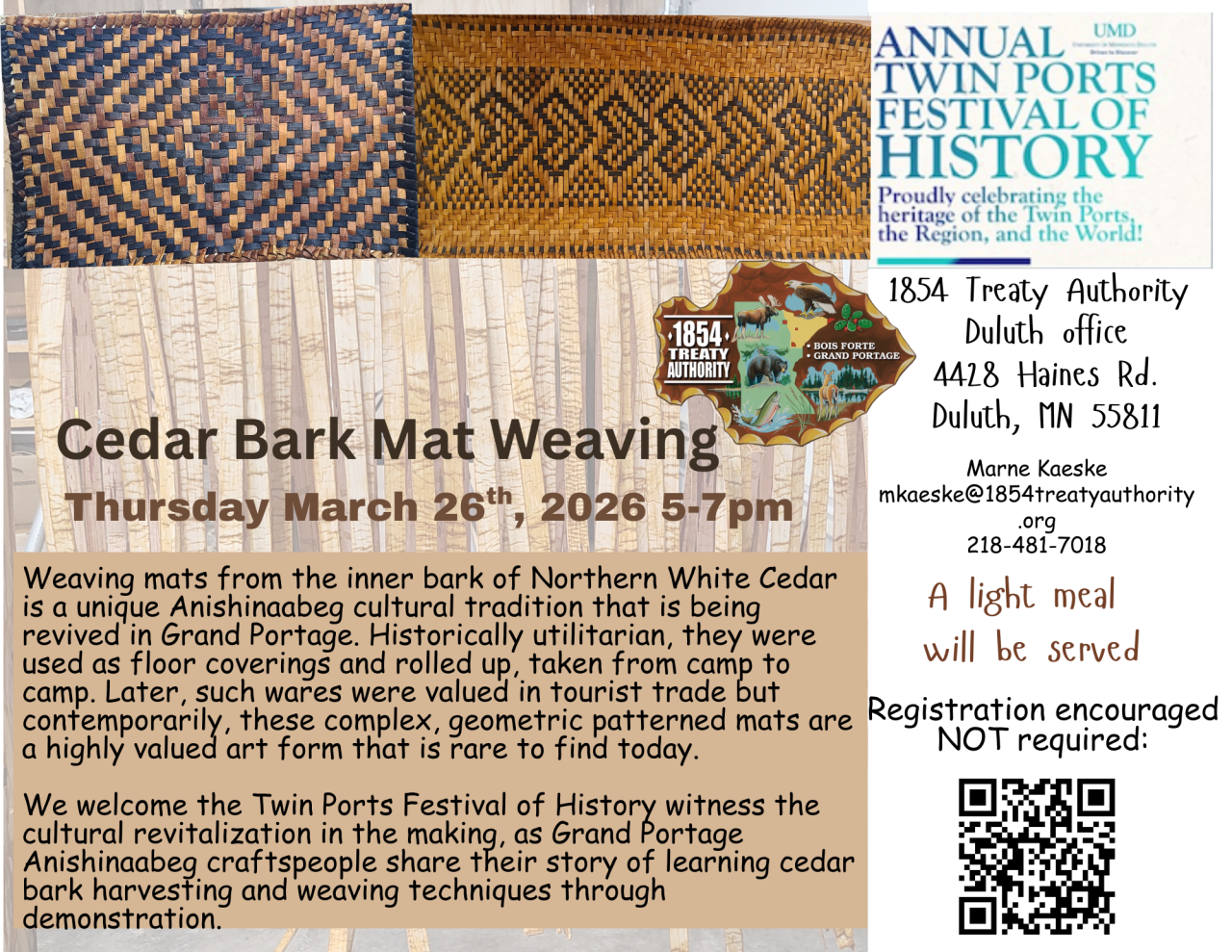
The Lake Superior Estuarium is launching a new exhibit on March 27th! What can we all learn from Ishkode (fire in Ojibwemowin)? Join them for an open house, celebration, and panel discussion about joint efforts to restore cultural prescribed fires to the pine forests of Gibiskising-minis, also known as Wisconsin and Minnesota points.
Enter your text here ...
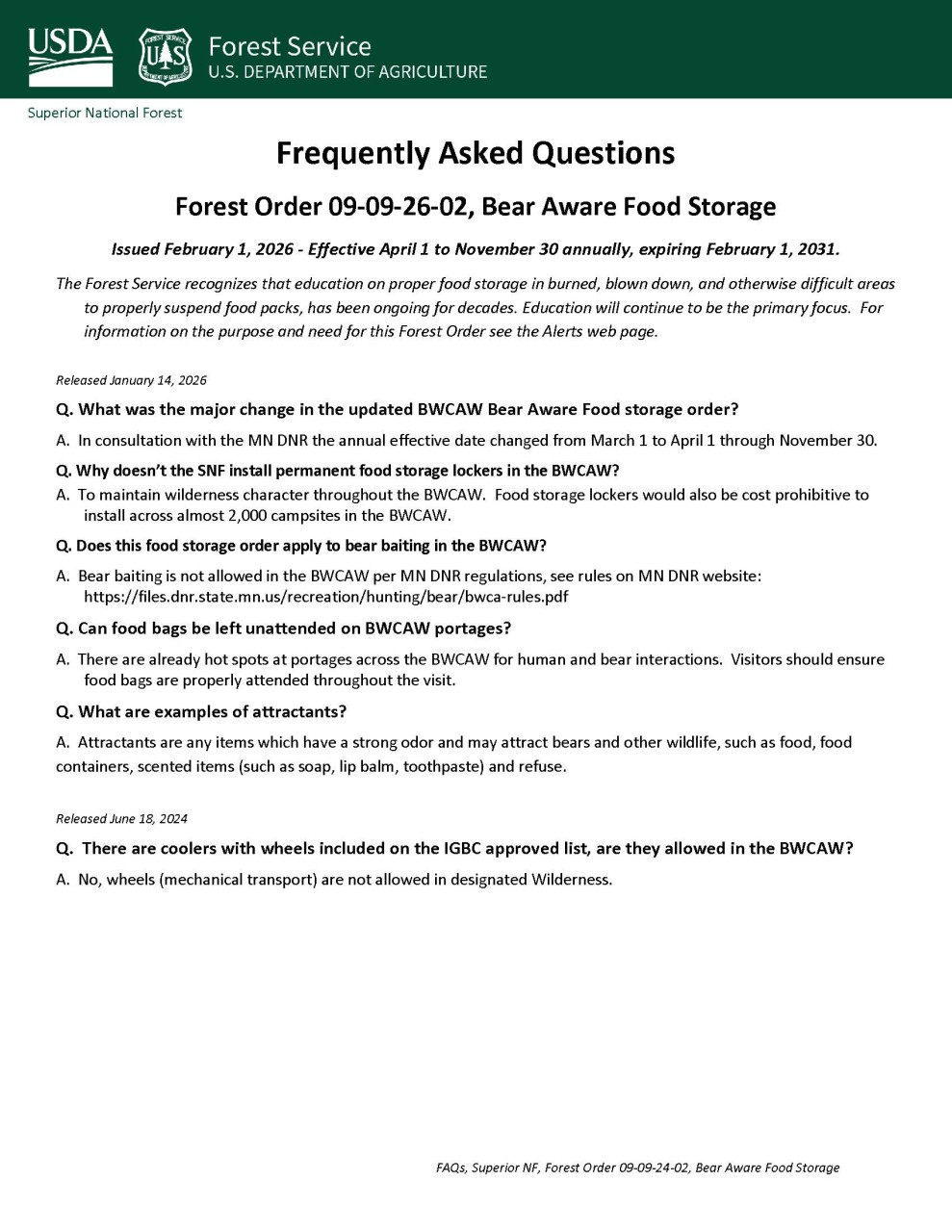
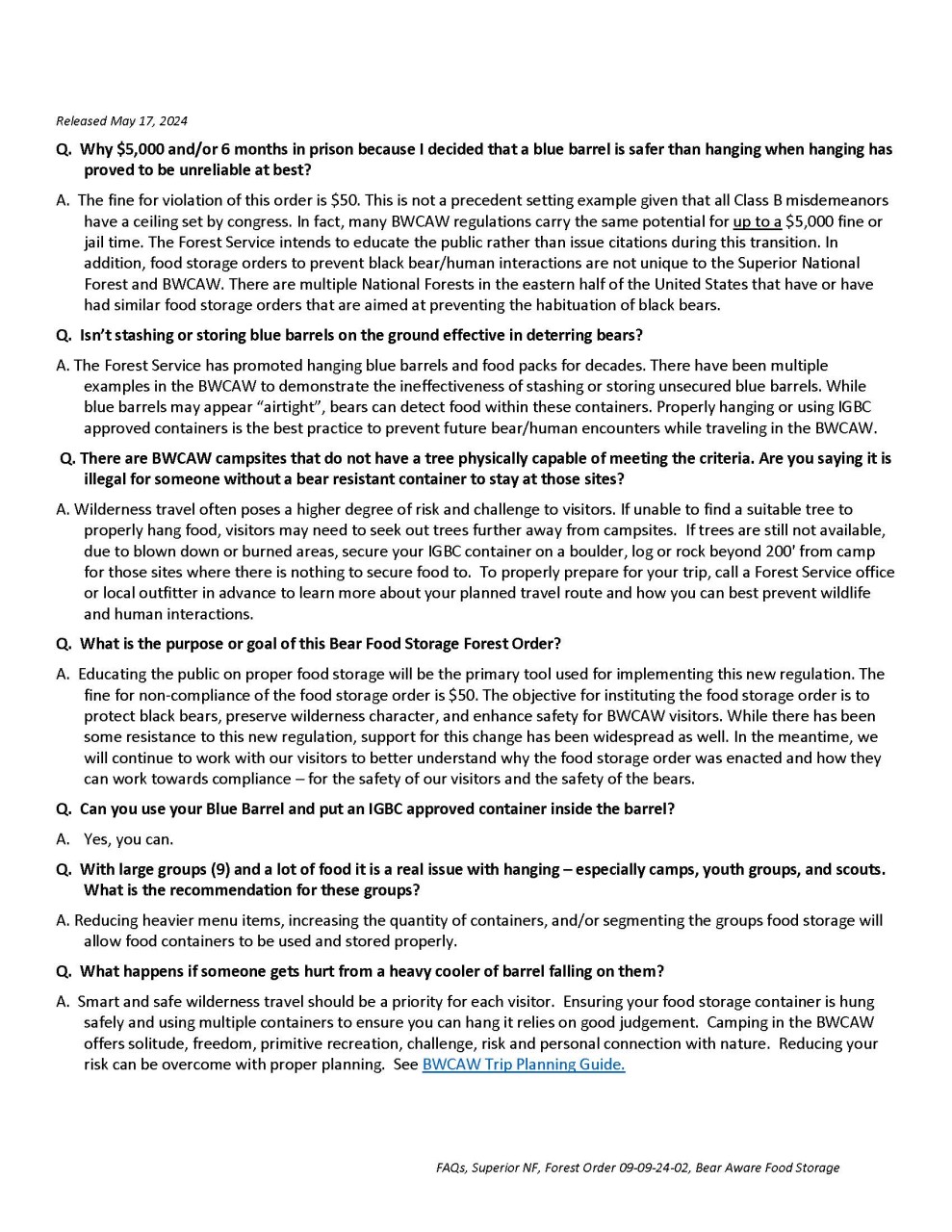
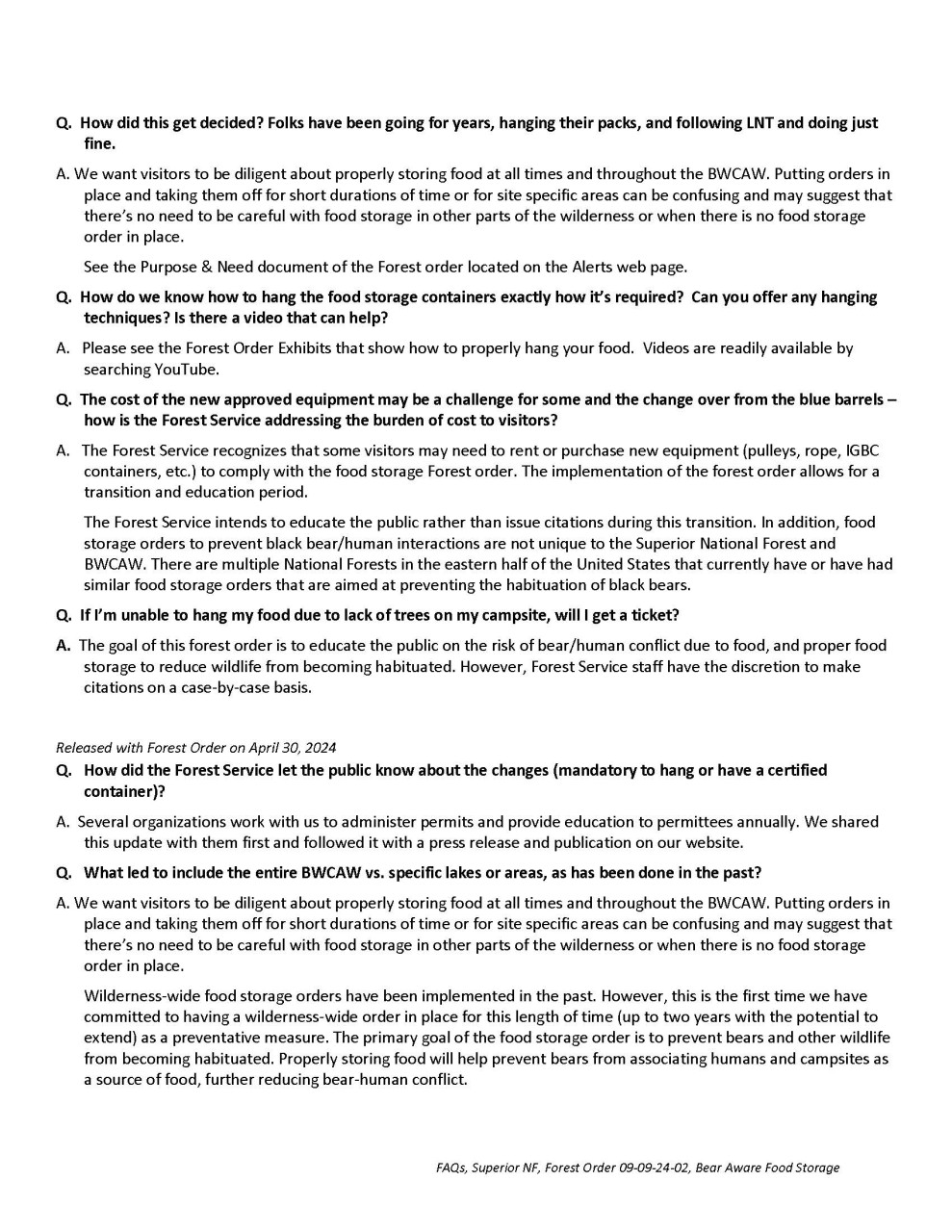
Read the Statement of Purpose and Need Here: https://www.fs.usda.gov/sites/nfs/files/r09/superior/publication/alerts/09-09-26-02%20Statement%20of%20Purpose%20of%20Need.pdf